Hair Loss
First of all there are a few things that you must understand. For instance, how the hair actually grows and how it falls. Also the different types of hair loss. Hair Loss can affect us all in a variety of ways. Furthermore, it affects people in all different ways. I have seen thousands of patients with hair loss over the years and I can tell you that all have something in common. It affects the every day like. Also adds stress and anxiety and a feeling of hopelessness. You’re likely to have visited your GP? Maybe your Pharmacist? The fact is that they are not experts in hair loss in most cases. In fact they learn very little about hair loss in a medical degree contrary to belief hence as a rule even though they mean well, a GP or Pharmacist isn’t the best person to speak to.
Do We Need Hair?
If I told you that we don’t need hair to live you would probably say “yes I would agree”? So you have a basic understanding of the hair. What if I told you that hair is actually dead? Did you know that? In fact the part of the hair that is under the skin is actually alive. Once you can see it then the tissue no longer lives. But of course it still grows? The hair follicle varies in shape which creates the varied hair types. Maybe you have Curly hair, which will have a slightly curved follicle. Or Maybe you have Afro Hair which has a zing zig shape. Of course you can have straight hair with a straight follicle.
Finally, the menu above has a list of many of the hair loss conditions. Also listed here: Alopecia Areata, Alopecia Totalis, Alopecia Universalis, Diffuse Alopecia, Telogen Effluvium, Anagen Effluvium, Traction Alopecia, scarring Alopecia and the Hair Shaft Defects. Furthermore there are skin conditions that affect the hair: Scalp Eczema, Scalp Psoriasis and certain Dry scalp or itchy scalp ailments. Most noteworthy there are many more hair loss conditions listed on this site. Reg. The Trichological Society.
Alopecia Areata
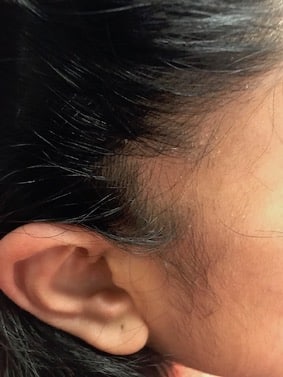
Maybe you have hair loss with bald spots? This is a case of Alopecia Areata. A highly unpredictable autoimmune skin disease. Symptoms are that of bald spots that can affect anywhere on the head. Furthermore it affects men and women alike. Because of its unpredictable nature it is advised to seek professional advise from a Trichologist.
The Hair Growth Cycle
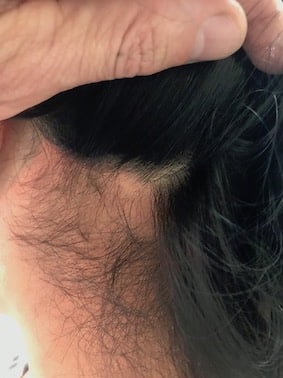
Ok, now we can move onto the hair growth cycle. Another important factor when considering hair loss. It works in 4 stages. Also when you are reading notice the different phase lengths. Most noteworthy, I have explained the following in a simple way to make it easy to understand. This is a complex subject.
Anagen phase
Anagen Phase is actually the growth phase. Those hairs that are actively growing are held tightly into the follicle. The route obtains nutrients allowing it go actively grow. Furthermore this is a phase that you want to grow for as long as possible. As a rule the Anagen phase lasts for a few months to that of many years. The average would be approx 2-7 years.
Catagen phase
The Catagen phase releases the follicles grip on the hair over a period of 1-2 weeks. Which in turn allows the hair to move into the Telogen Phase. The Catagen phase causes the hair shaft to become club shapes and starts the depigmentation process.
Telogen phase
Probably the most important aspect of the hair cycle. The Telogen phase is knows as the resting phase. Once the hair has entered the Telogen phase it will sit there for between 2-3 months waiting to fall. Telogen Effluvium occurs when the hair moves from the Anogen Phase to the Telogen Phase prematurely.
Causes of Hair Loss
Stress, illness, high fever, chemicals, traction, self manipulation, endocrine malfunction, PCOS, hair colouring, malnutrition, lack of vitamins, poisoning and many more. Basically, anything that affects the body may affect the hair. Remember, we can live quite happily with no hair at all. Although many would potentially disagree with that statement, the physical fact is true. Mentally, this is another issue. Finally, don’t waste time with hair loss. Therefore seeking professional guidance if the right thing to do.
Who is affected?
Hair loss affects all ages in many different ways with varying severity. Furthermore, many conditions recover with time. In contrast many will benefit from treatment. Did you know that Hair Loss itself is not a hair disease?. It is a side effect of a dis-ease within the body. Hence it’s the dis-ease that needs to be established. When one hears the word hair Disease it’s scary. Hair Disease simply means that the body’s ease had been affected. So, when discussing hair loss we must look at the bigger picture and examine the reasons why one would potentially suffer hair loss.
Consultation (telephone or in person)
Right, now you have a hair loss condition and you are trying to find the answer? Maybe you have found the answer? Maybe Not? Either way, as we know, hair loss can have devastating consequences. Therefore, consulting an expert is a good choice. Maybe you wold like to speak with a trichologist? You can right now if you like! We offer a free service over the phone. Furthermore you may just find this gives you the answers you need. Also you have the option to visit the clinic. This is always the best option as we can diagnose the condition and if appropriate advice on what is needed to get the hair back. Most noteworthy, not all hair loss conditions need treatment.
Male/Female Pattern. Baldness
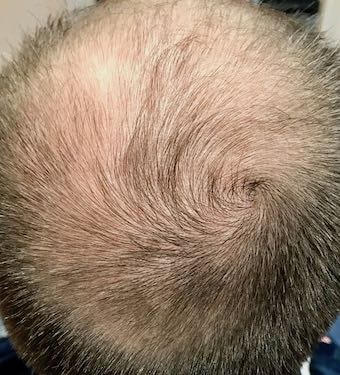
Eventually very man is going to loose hair to some extent. Women will consequently loose theirs to. Maybe you are suffering from Male Pattern Baldness or Female Pattern Baldness? The question of what can be done to stop or regrow the hair has long been asked. Also as I’m sure you have already seen there are numerous hair loss clinics offering advise and sadly many that promise the world. Male and Female Pattern are very difficult conditions to deal with because we are dealing with the male up of the Body. Also in cases of women hormones are a factor. Furthermore, there are many conditions that are mistaken for the Male and Female Pattern. Hence the reason why you should make sure you know what you are deal with. Finally, get it checked out before it’s too late.
Male Pattern Baldness
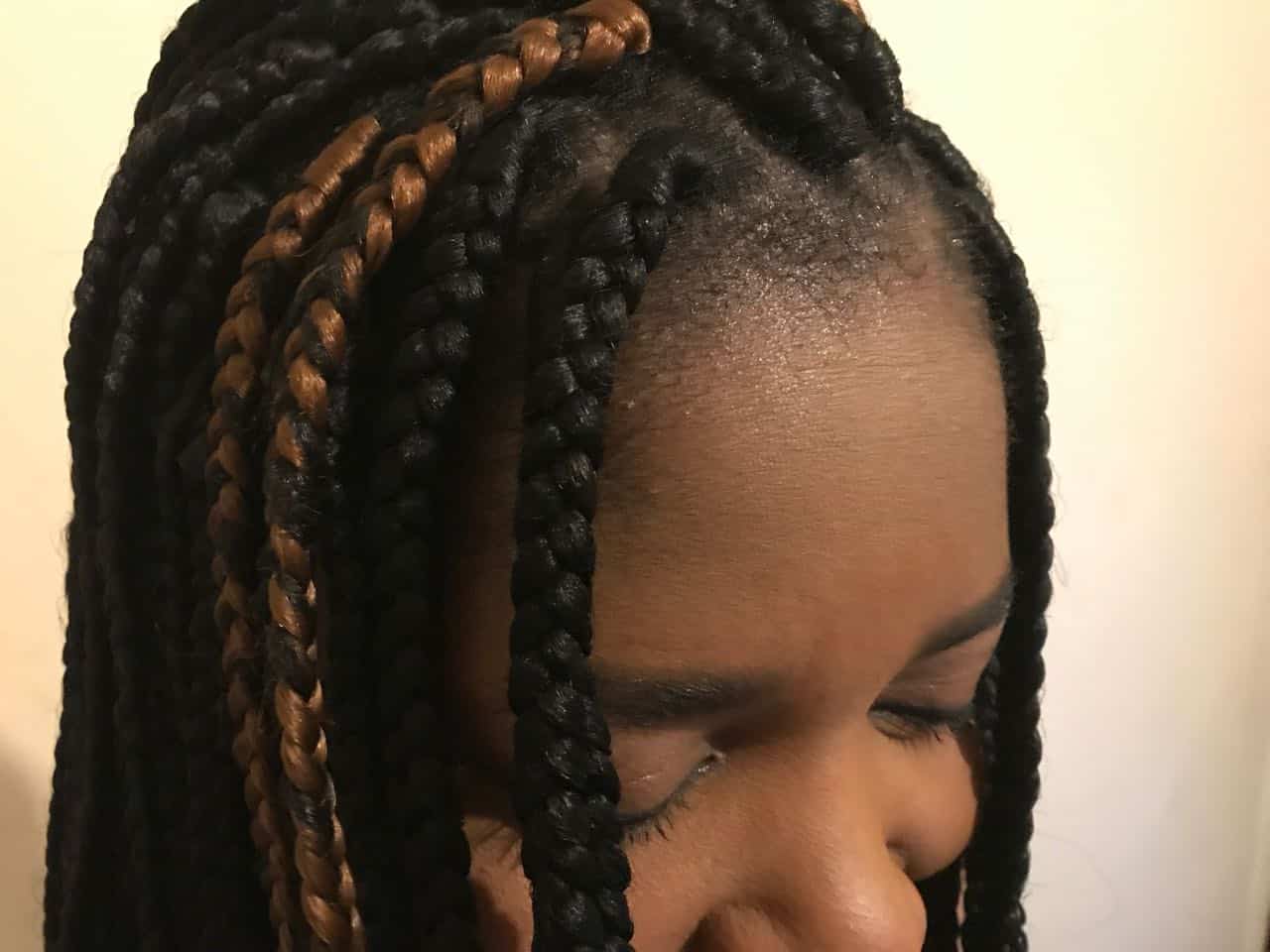
Traction Alopecia
Traction Alopecia is caused by the forced epilation of hair shafts from the Follicle. Basically, you have your hair too tight you will at some point notice your hair is getting thinner. Normally you will see this on the frontal hair line first. Therefore to try and stop this think about how tight your hair style is?